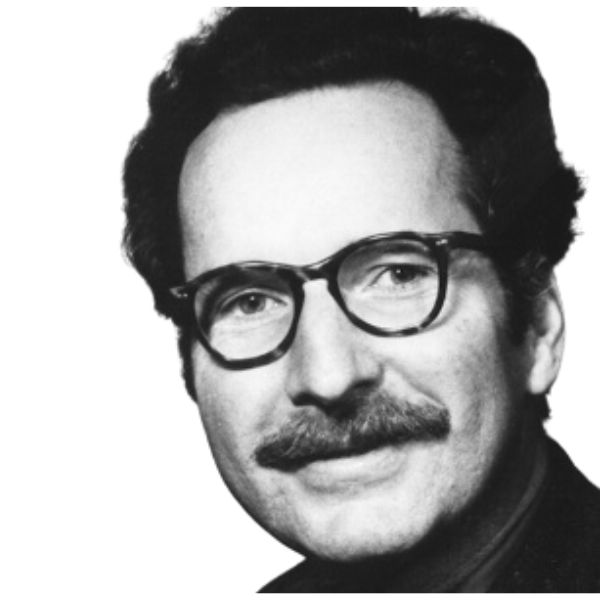
Why he matters
A profound account of death, meaning, and self-deception
Becker matters because he took the fear of death seriously, not as a passing anxiety, but as a deep organising force in human psychology and culture. In his view, human beings are animals who know they will die, and that knowledge creates an existential pressure unlike anything else in nature.
His work suggests that culture is not only a source of beauty, belonging, and moral order. It can also become a symbolic defence system: a way to feel significant, heroic, chosen, protected, or somehow exempt from ordinary mortality. That makes Becker essential for understanding status, ideology, fame, religion, politics, achievement, and the strange human hunger to matter.
Core ideas
Ideas worth returning to
Humans know they are mortal
For Becker, the human animal is uniquely burdened by the ability to imagine its own disappearance. We are biological creatures with symbolic minds, caught between bodily vulnerability and a longing for permanence.
Culture helps us deny death
Becker argued that cultural systems give people roles, values, identities, and stories that help soften the terror of mortality by making life feel meaningful and significant.
Heroism is a bid for symbolic immortality
Human beings seek to feel that their lives count for something larger than themselves. Achievement, legacy, status, sacrifice, art, nation, faith, and family can all become forms of symbolic survival.
The self depends on protective illusions
Becker saw self-deception as deeply woven into ordinary life. We often need some illusion of control, importance, and durability in order to function in the face of our fragility.
Meaning can become destructive
The same symbolic systems that give life purpose can harden into conflict. If someone else’s worldview threatens our own immortality project, disagreement can feel like an existential attack.
Courage begins with honesty
Becker’s work does not simply reduce life to fear. It asks whether we can live more honestly, humbly, and creatively once we understand the defensive structures beneath human behaviour.
Key works
Where to begin
The Denial of Death
Becker’s best-known work, exploring mortality, heroism, culture, neurosis, and the human attempt to transcend death through symbolic meaning.
Escape from Evil
A darker extension of Becker’s thought, examining how symbolic systems of meaning can become bound up with violence, scapegoating, and social destruction.
The Birth and Death of Meaning
An earlier work that helps frame Becker’s wider concern with the formation of the self, symbolic life, and the human search for significance.
Connection to ALU
What Becker helps us untangle
A Life Untangled is interested in the forces beneath the surface of human behaviour. Becker is valuable because he reveals how much of life can be organised around a fear we rarely admit directly: the fear that we will disappear, that we will not matter, that our lives will amount to nothing.
His work helps connect psychology, philosophy, culture, religion, politics, creativity, and personal ambition. It offers a way to see human striving more compassionately, but also more critically. We are not only rational agents pursuing interests. We are meaning-making animals trying to live under the shadow of death.
For ALU, Becker’s work sits naturally beside questions about selfhood, denial, cultural conflict, status, moral seriousness, and the possibility of living with less illusion and more courage.
Related from the archive
Follow the thread
Questions raised
Questions Becker leaves us with
- How much of human life is shaped by the fear of death without us realising it?
- Are ambition, status, fame, and legacy always partly attempts to symbolically defeat mortality?
- Can a culture give people meaning without turning that meaning into tribal defensiveness?
- What would it mean to live honestly with death rather than constantly deny it?
- Does facing mortality make life more tragic, or more precious?
Further reading


